



Deimos7777
Active member
Nuovi proiettori 1080p 3D da Optoma: HD 33 , HD 8300
DOvrebbero essere messi in commercio tra fine Luglio e Agosto
[FONT=Arial, Helvetica, sans-serif]
Movies are certainly a big part of the summer entertainment mix. 3D movies? Even better. However, sticky floors, crowds and theater texting don't have to be an integral part of the summer movie experience. Optoma is hoping to entice more movie fans to stay at home this summer, with three new projector releases, including their first full HD 1080p projectors to offer 3D capabilities.
With more 3D TVs flooding the market, it's only natural that projector manufacturers would follow suit. Optoma was an early seller of 3D-capable DLP projectors, but these were all limited to 720p (1280x720 pixels) resolution. This summer Optoma will add two more options to the 3D line-up, and this time they're offering full HD resolution (1920x1080 pixels) projectors with 3D capabilities: the new models are the HD8300 and HD33.
Optoma's HD8300 features the latest 1080p DarkChip3 DLP technology from Texas Instruments, as well as a 30,000:1 contrast ratio with DynamicBlack, 1300 lumens of brightness, True 10-Bit Full HD processing and 3-Stage Optoma Image processing. Promising over 1.07 billion colors, this projector also has the PureMotion2 processing engine, which boasts super-smooth, judder-free images for a better overall viewing experience.
Because this is a 1080p full HD 3D-ready projector, it's compatible with 1080p 3D, 720p 3D, HD (1080i/p, 720p), EDTV (480p/576p), NTSC, PAL, and SECA. The company also lists the projection distance as 4.9 to 32.8 feet, delivering images from 29.8 to 297.3 inches. Optoma says that the HD8300 should start shipping by mid-July
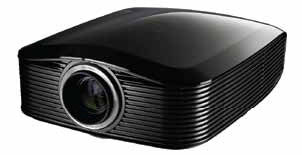
In August, Optoma says they will release the HD33 (or HD3300 - model number details are still a little sketchy). This model also features a 1080p DLP imaging engine and will support 3D sources, but initial specs say that 3D support will be limited to 720p resolution. The HD33 will be compatible with NTSC, PAL, SECAM, SDTV (480i), EDTV (480p), and HDTV (720p, 1080i/p) formats. The HD33 can also do 120Hz Frame Sequential 3D for resolutions up to 720p and 60Hz Field Sequential 3D for resolutions up to 480i -- with compatible 3D glasses, of course.
Other HD33 features include 1800 ANSI lumens of brightness and contrast ratio of 4000:1. This one is also rated for a slightly larger maximum image than the HD8300 -- up to 301.1 inches -- but you'll need a lot of space (and a very dark room and/or high grain screen) to come anywhere close to that.
Optoma says that they are also planning to offer new active shutter RF 3D glasses timed with these two projector introductions. Expect info on those, as well as HD8300 and HD33 pricing, to be announced soon
Edit : Fonte www.today3d.com news del 13 Giugno 2011[/FONT]
DOvrebbero essere messi in commercio tra fine Luglio e Agosto
[FONT=Arial, Helvetica, sans-serif]
Movies are certainly a big part of the summer entertainment mix. 3D movies? Even better. However, sticky floors, crowds and theater texting don't have to be an integral part of the summer movie experience. Optoma is hoping to entice more movie fans to stay at home this summer, with three new projector releases, including their first full HD 1080p projectors to offer 3D capabilities.
With more 3D TVs flooding the market, it's only natural that projector manufacturers would follow suit. Optoma was an early seller of 3D-capable DLP projectors, but these were all limited to 720p (1280x720 pixels) resolution. This summer Optoma will add two more options to the 3D line-up, and this time they're offering full HD resolution (1920x1080 pixels) projectors with 3D capabilities: the new models are the HD8300 and HD33.
Optoma's HD8300 features the latest 1080p DarkChip3 DLP technology from Texas Instruments, as well as a 30,000:1 contrast ratio with DynamicBlack, 1300 lumens of brightness, True 10-Bit Full HD processing and 3-Stage Optoma Image processing. Promising over 1.07 billion colors, this projector also has the PureMotion2 processing engine, which boasts super-smooth, judder-free images for a better overall viewing experience.
Because this is a 1080p full HD 3D-ready projector, it's compatible with 1080p 3D, 720p 3D, HD (1080i/p, 720p), EDTV (480p/576p), NTSC, PAL, and SECA. The company also lists the projection distance as 4.9 to 32.8 feet, delivering images from 29.8 to 297.3 inches. Optoma says that the HD8300 should start shipping by mid-July
In August, Optoma says they will release the HD33 (or HD3300 - model number details are still a little sketchy). This model also features a 1080p DLP imaging engine and will support 3D sources, but initial specs say that 3D support will be limited to 720p resolution. The HD33 will be compatible with NTSC, PAL, SECAM, SDTV (480i), EDTV (480p), and HDTV (720p, 1080i/p) formats. The HD33 can also do 120Hz Frame Sequential 3D for resolutions up to 720p and 60Hz Field Sequential 3D for resolutions up to 480i -- with compatible 3D glasses, of course.
Other HD33 features include 1800 ANSI lumens of brightness and contrast ratio of 4000:1. This one is also rated for a slightly larger maximum image than the HD8300 -- up to 301.1 inches -- but you'll need a lot of space (and a very dark room and/or high grain screen) to come anywhere close to that.
Optoma says that they are also planning to offer new active shutter RF 3D glasses timed with these two projector introductions. Expect info on those, as well as HD8300 and HD33 pricing, to be announced soon
Edit : Fonte www.today3d.com news del 13 Giugno 2011[/FONT]
Ultima modifica:


